

£169.00
£189.00
£169.00
£199.00
£299.00
£349.00
£299.00
£469.00
£499.00
£109.00
£119.00
£79.00
£99.00
£119.00
£139.00
£139.00
£159.00
£129.00
£249.00
£169.00
£189.00
£169.00
£169.00
£149.00
£169.00
£119.00
£139.00
£189.00
£59.00
£69.00
£69.00
£79.00
£89.00
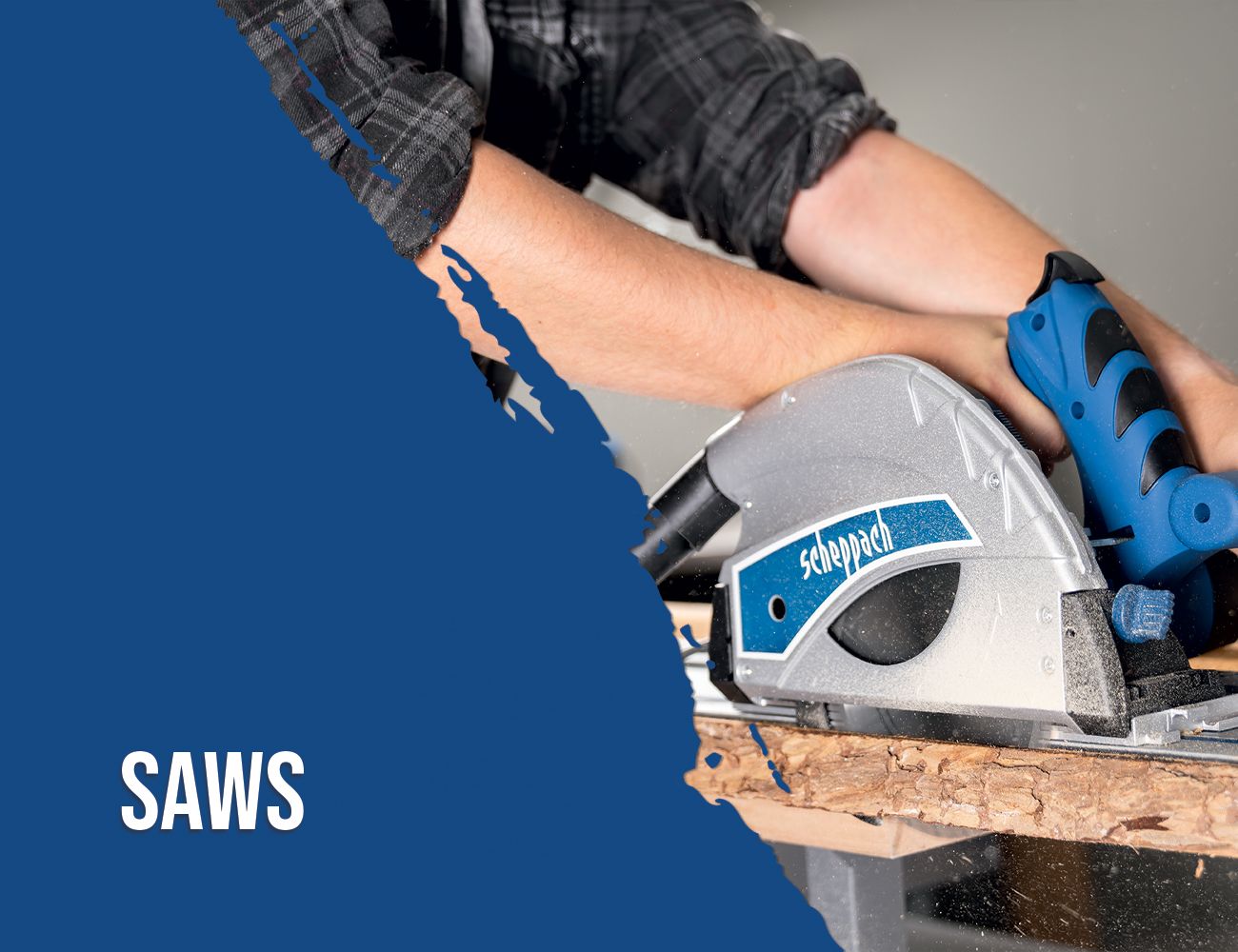
Saws
Choosing the right saw can make cutting timber, metal and other suitable materials faster, more accurate and easier to control. Different saw types are designed around particular cutting tasks, from processing large boards and producing accurate angles to creating curves and detailed shapes. Understanding these differences is important when deciding which machine is best suited to your projects.
Scheppach offers a comprehensive range of saws for DIY, woodworking, construction and more demanding workshop applications. The range includes band saws, metal band saws, mitre saws, plunge saws, professional table saws, scroll saws and table saws, alongside saw stands and tool bases designed to support practical working setups.
Drawing on Scheppach's German engineering heritage, the range provides options for everything from detailed craft and woodworking tasks to larger cutting projects. Genuine spare parts and UK after-sales support are also available, helping users maintain their equipment over the long term.
This guide explores what to consider when choosing a saw, explains the differences between the main saw categories and provides practical guidance for matching your equipment to the work you undertake.
What to Consider When Choosing a Saw
Choosing a saw involves more than deciding which material you want to cut. The type of cut, dimensions of the workpiece, required accuracy and working environment should all be considered before selecting a machine.
Start with the material you work with most frequently. Timber and suitable metal workpieces have different cutting requirements, making it important to select equipment and blades designed for the intended material.
The dimensions and shape of your workpieces are also important. Processing large boards can require a different setup from cutting smaller components to length, while detailed work may require greater manoeuvrability around the cutting line. Consider both the cutting capacity of the machine and how the workpiece will be positioned and supported during use.
Think about the type of cuts your projects involve most often. Straight cutting, ripping, cross-cutting, angled work and curved or intricate cutting place different demands on a saw. Identifying your most frequent applications can help narrow down the machine that will provide the greatest practical benefit.
Available workspace and frequency of use should also influence your decision. A machine intended for regular workshop use may need greater capacity and a more permanent working position, while other users may prioritise a setup that can be positioned or stored conveniently between projects.
Blade compatibility, adjustment and suitable accessories are further considerations. Selecting the correct blade for the machine and material is important, while guides, fences, stands and workpiece supports can help create a setup suited to the type of cutting being undertaken.
Understanding the Different Types of Saws
Each saw category has characteristics that make it better suited to particular cutting applications.
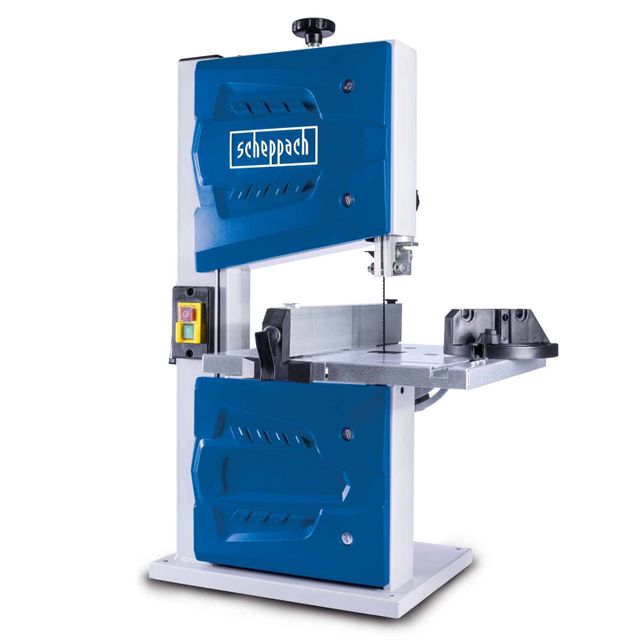
Band saws use a continuous blade running between wheels and can perform both straight and curved cuts. Their ability to follow shaped cutting lines makes them particularly useful for woodworking projects involving curved components alongside general cutting work.
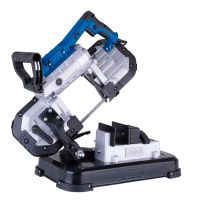
Metal band saws apply the band saw principle specifically to suitable metals. They provide a purpose-designed option for cutting sections, bars and other compatible metal workpieces during fabrication, repair and workshop projects.
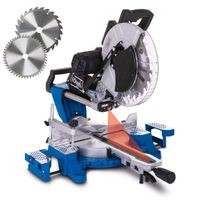
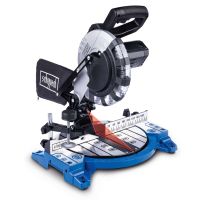
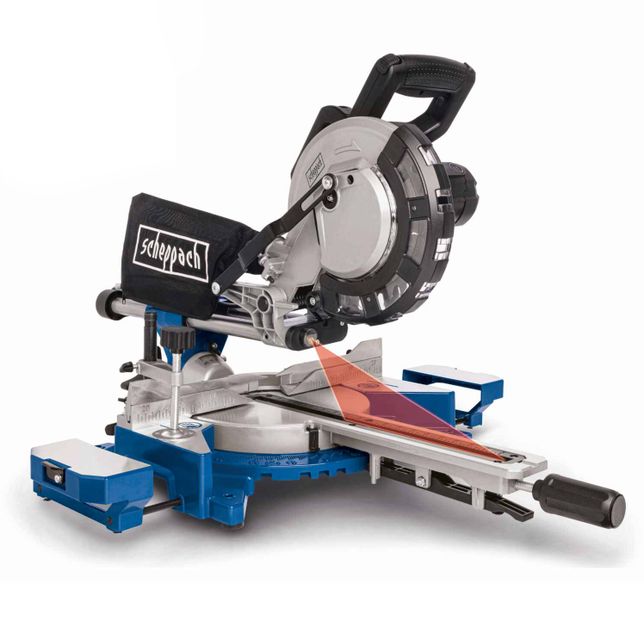
Mitre saws specialise in controlled cross-cutting and angled cutting. They are particularly useful when preparing timber components that need to be cut consistently to length or at defined angles, including material for framing, flooring and other construction or woodworking applications.
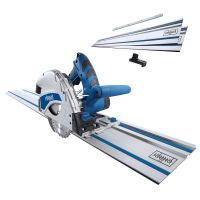
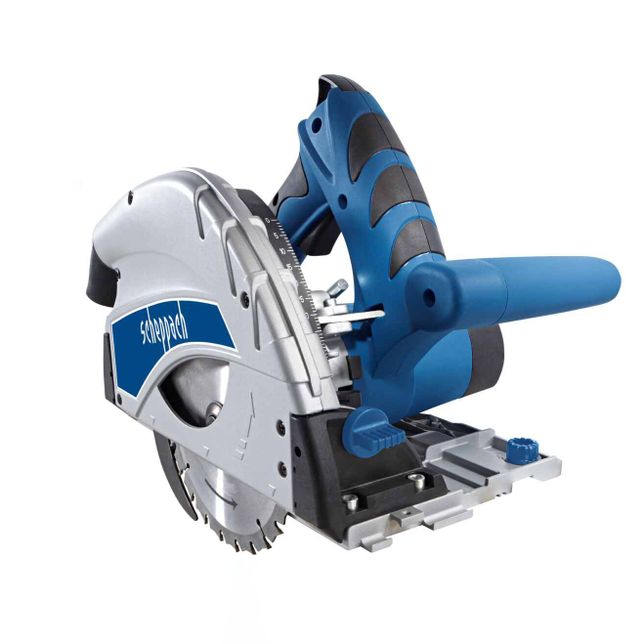
Plunge saws provide controlled straight cutting in boards, sheet material and other suitable workpieces. Their ability to begin a cut within the material rather than solely from an outside edge can also be useful for particular panel-cutting applications. An appropriate guide system can help maintain an accurate cutting line across larger workpieces.
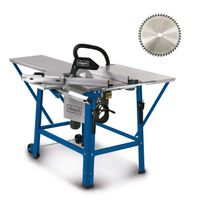
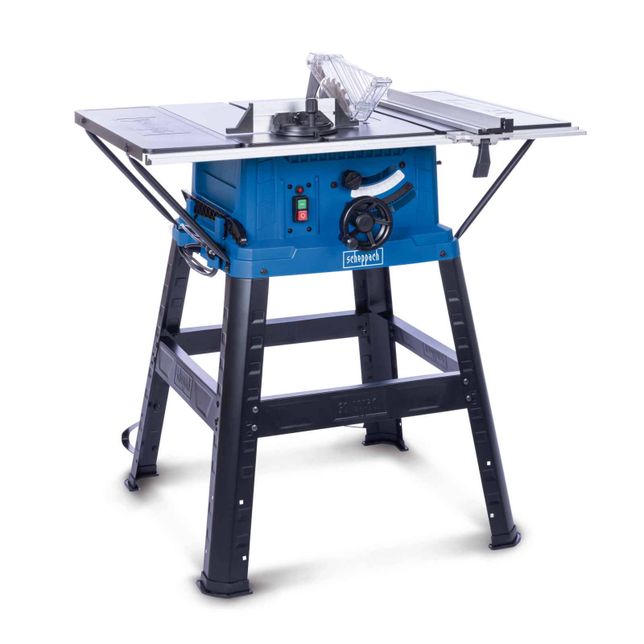
Table saws provide a stable platform for straight and repeatable timber cutting. They are particularly useful for ripping boards and processing material to the required dimensions, while their fixed cutting position can support consistent results across repeated work.
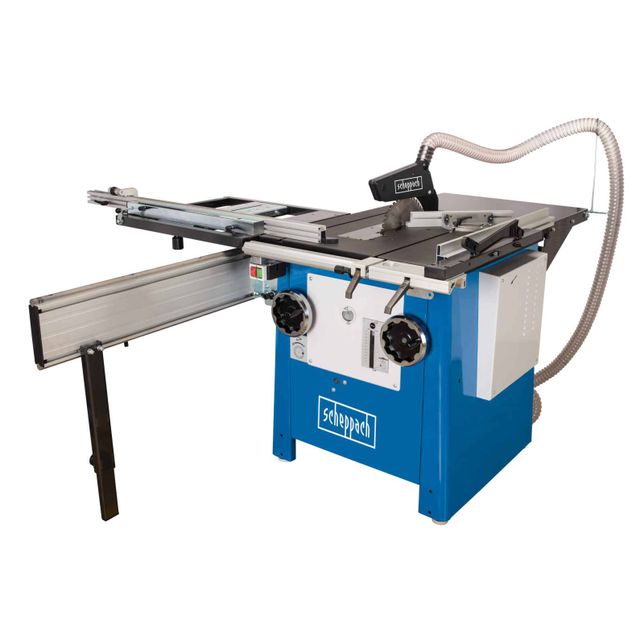
Professional table saws build on these capabilities for users with more demanding workshop requirements. Greater cutting demands, larger workpieces and frequent timber processing can make this type of machine appropriate where capacity and a stable working setup are priorities.
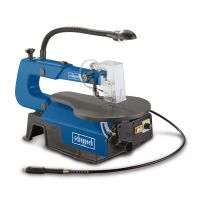
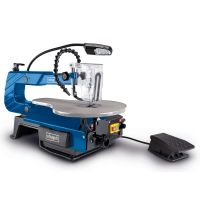
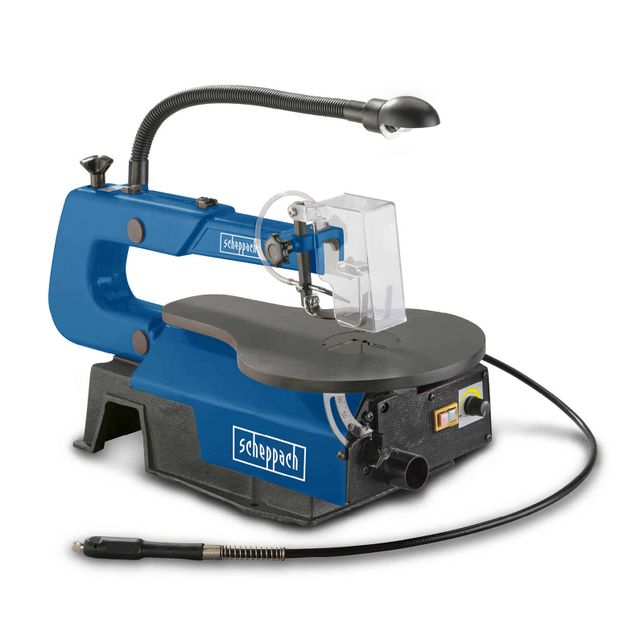
Scroll saws specialise in intricate and detailed cutting. Their fine cutting action and manoeuvrability make them useful for tight curves, decorative patterns and internal cut-outs where larger cutting equipment would be unsuitable.
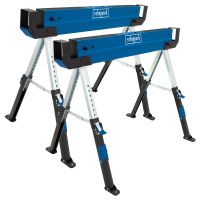
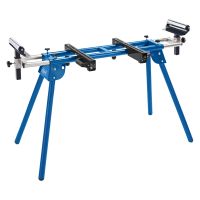
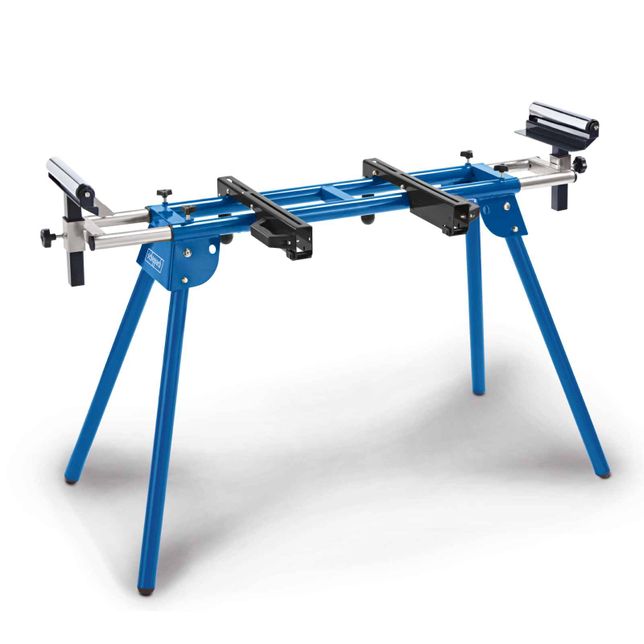
Saw stands and tool bases complement compatible machines by helping create a stable and practical working position. They can be particularly useful when equipment needs to be positioned at a suitable height or when additional workpiece support is required.
Achieving Accurate and Consistent Cuts
Whichever saw you use, accurate cutting depends on careful preparation, appropriate machine setup and a blade suited to the application.
Begin by marking the required cutting line clearly and checking the workpiece before starting. Material should be positioned and supported appropriately so that it remains stable throughout the cut, particularly when handling longer boards or larger workpieces.
Blade selection can have a significant effect on both cutting performance and finish quality. Blade types and tooth configurations vary according to the material and application, so compatibility with the machine and intended task should always be checked.
Guides, fences and other adjustment systems should be configured according to the required cut. Taking time to check measurements and machine settings before beginning can help improve consistency, particularly when producing multiple components to the same dimensions.
During cutting, allow the machine and blade to work at a controlled rate rather than forcing the material through the cut. Maintaining steady movement and appropriate support can help preserve the intended cutting line and produce a cleaner result.
For larger workpieces, additional support may be required to keep the material correctly positioned throughout the operation. A stable working arrangement can make handling easier while helping maintain control from the beginning of the cut to the end.
Scheppach Product Range
Scheppach's saw range covers a wide variety of cutting applications, from detailed woodworking and accurate cross-cutting to processing larger boards and cutting suitable metal workpieces. With different machines designed around specific types of cutting, users can select equipment that best matches their material, project and working requirements.
Band Saws
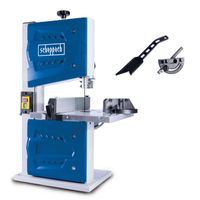
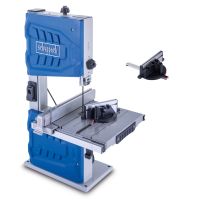
Scheppach band saws provide a versatile solution for straight and curved cutting in timber, making them useful for furniture making, craft projects and general woodworking. The range includes the HBS25, HBS261 and HBS30, providing options for users with different workshop and project requirements.
Metal Band Saws
For metalworking applications, the MBS1200 provides a dedicated metal band saw solution. Designed for cutting suitable metal workpieces, it is a practical choice for fabrication, repairs and other projects involving metal sections, bars and similar materials.
Mitre Saws
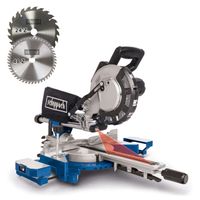
Scheppach's mitre saw range includes the HM140L, HM210L, HM216, HM254 and HM305SL. Mitre saws are particularly useful for accurate cross-cuts and angled cuts, making them suitable for woodworking, flooring, framing and a wide variety of construction and home improvement projects.
With several models available, users can choose a mitre saw according to the size of material they typically work with and the cutting requirements of their projects.
Plunge Saws
The PL55 and PL75 provide Scheppach options for users requiring controlled straight cutting across boards and sheet materials.
Plunge saws are particularly useful when accurately cutting larger panels and can also begin a cut within a suitable workpiece rather than always starting from an outside edge. When paired with an appropriate guide system, they can provide excellent control over long, straight cuts.
Professional Table Saws
For users with more demanding woodworking requirements, the Precisa 6.0 professional table saw provides a solution for accurate and repeatable timber processing.
Professional table saws are particularly suited to established workshops where stability, consistent cutting and the ability to process timber efficiently are important. They can support furniture making, joinery and other applications involving regular cutting and preparation of wooden components.
Saw Stands and Tool Bases
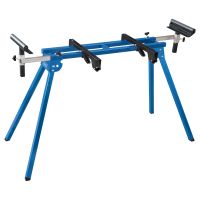
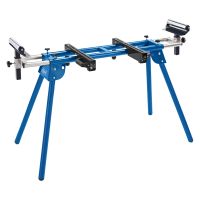
A stable and practical working setup can make cutting larger or longer workpieces easier to manage. Scheppach's saw stands and tool bases include the MWB600, UMF1550, UMF1600 and UMF2000.
These products provide supporting options for compatible tools and different working requirements, helping users create a more practical setup for cutting and other workshop tasks. Always check compatibility between the stand or tool base and the equipment you intend to use.
Scroll Saws
For intricate woodworking and detailed cutting, Scheppach offers the Deco-Flex and SD1600V scroll saws.
Scroll saws are particularly useful for creating curves, decorative patterns and detailed internal cut-outs. Their controlled cutting action makes them suitable for craft projects and precision woodworking where intricate shapes are more important than processing large workpieces.
Table Saws
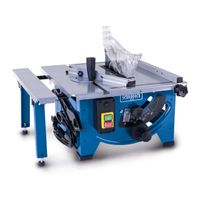
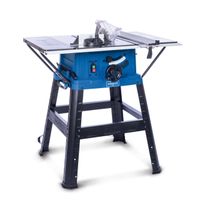
Scheppach's table saw range includes the HS80, HS100S, HS254 and TS310, providing options for straight and repeatable timber cutting across a variety of woodworking and DIY applications.
Table saws are particularly useful for ripping timber and preparing boards or other components to the dimensions required for a project. Their supported cutting arrangement makes them valuable for workshops where accurate straight cuts are carried out regularly.
Across the complete saw range, Scheppach provides equipment for everything from intricate woodworking and everyday DIY to metalworking and more demanding timber processing. Genuine spare parts and UK-based after-sales support are available when required, providing continued assistance with equipment maintenance and long-term use.
Accessories & Maintenance
Choosing suitable accessories and maintaining your saw correctly can help preserve cutting accuracy, performance and reliability.
Saw blades should be inspected regularly for signs of wear, damage or reduced cutting performance. Always select a blade that is compatible with the individual machine, material and intended application. Sharp and appropriate blades help produce cleaner cuts while allowing the saw to operate efficiently.
Dust, sawdust, metal chips and other cutting debris should also be removed regularly. For woodworking machines with suitable connections, compatible dust extraction can help manage waste and maintain a cleaner working environment.
Guides, fences, worktables and other adjustable components should be kept clean and checked periodically for correct positioning. Accurate adjustment is particularly important when producing repeated cuts or preparing several components to matching dimensions.
For larger workpieces, appropriate supports can help create a more stable working arrangement. Compatible saw stands, tool bases and workpiece supports can provide additional options for creating practical working setups where required.
Always follow the maintenance, adjustment and blade-changing instructions provided for the individual machine. Genuine Scheppach spare parts can be used when compatible replacement components are required.
Frequently Asked Questions
What type of saw should I choose?
The right saw depends on the material and cut required. Mitre saws are particularly useful for cross-cuts and angles, table saws for straight and repeatable timber cutting, band saws for straight and curved work, scroll saws for intricate shapes, plunge saws for controlled cuts in sheet material and metal band saws for suitable metal workpieces.
What is the difference between a table saw and a mitre saw?
A table saw is particularly useful for ripping boards and producing straight, repeatable cuts, while a mitre saw specialises in cross-cutting material to length and producing angled cuts. Workshops that undertake varied woodworking projects may benefit from having both types of saw.
Which Scheppach Saw is suitable for curved cutting?
Scheppach band saws such as the HBS25, HBS261 and HBS30 can be used for curved woodworking applications. For particularly intricate patterns and detailed shapes, scroll saws such as the Deco-Flex and SD1600V provide another option.
Which Scheppach saws are suitable for cutting sheet materials?
The PL55 and PL75 plunge saws provide options for controlled straight cutting in suitable boards and sheet materials. Depending on the workpiece and required application, a table saw may also be appropriate.
How do I maintain my Scheppach Saw?
Regular maintenance includes removing cutting debris, inspecting the blade for wear or damage and keeping guides, fences, worktables and adjustable components clean. Always follow the maintenance and servicing instructions provided in the user manual for your specific model.
Making the Right Choice
Choosing the right saw starts with understanding the material you work with, the size of your workpieces and the types of cuts your projects require most frequently. Considering these factors alongside available workspace, cutting capacity and frequency of use can help narrow down the most appropriate equipment.
Different saw types are designed around different cutting requirements, so users undertaking varied projects may benefit from more than one machine. Selecting equipment according to its intended application can help create a more practical and versatile cutting setup.
Scheppach offers saws for DIY, woodworking, metalworking, construction and more demanding workshop applications, alongside compatible stands, accessories and genuine spare parts. UK-based after-sales support is also available when required, providing continued assistance beyond the initial purchase.