
Dust Extractors
Woodworking, sanding, sawing and other workshop tasks can quickly generate large amounts of dust and debris. Keeping your workspace clean isn't just about appearance. Effective dust extraction can improve visibility while you work, help maintain a tidier workshop and make clearing up after a project much quicker and easier.
Scheppach offers a range of dust extractors designed to help collect wood dust, shavings and other workshop waste at the source. Developed using German engineering principles, the range is designed to provide dependable performance for home workshops, hobbyists and professional users alike. Supported by UK after-sales service and genuine spare parts availability, Scheppach dust extractors are designed to deliver reliable performance throughout the life of your equipment.
This guide explains how dust extractors work, the benefits they offer and the key considerations when choosing the right model for your workshop.
Choosing the Right Dust Extractor
The right dust extractor depends largely on the type of machinery you use and the size of your workshop. If you mainly work with smaller woodworking machines or complete occasional DIY projects, a compact dust extractor may provide all the performance you need while taking up minimal floor space.
If your workshop contains multiple woodworking machines or you're regularly producing large volumes of sawdust and wood shavings, it may be worth considering a larger extractor with increased collection capacity. This helps reduce interruptions for emptying and allows you to work more efficiently during longer projects.
It's also worth considering whether the extractor will remain permanently connected to one machine or be moved between different pieces of equipment. A more portable unit can provide greater flexibility for smaller workshops where space is limited and machines are used individually.
By selecting a dust extractor that matches your machinery and working habits, you can create a tidier and more efficient workspace while helping keep airborne dust to a minimum.
Why Use a Dust Extractor?
Dust extractors play an important role in maintaining a cleaner workshop by collecting dust and wood waste as it's produced. Instead of allowing debris to accumulate around machinery or across the workshop floor, extraction systems help capture material before it spreads throughout the workspace.
This can improve visibility while working, making it easier to follow cutting lines and maintain accuracy during woodworking projects. A cleaner working environment can also make routine workshop organisation and end-of-day cleaning much more straightforward.
Many woodworking machines, including table saws, bandsaws, thickness planers, and mitre saws, can benefit from effective dust extraction. Connecting an extractor to compatible machinery helps remove waste more efficiently and contributes to a tidier working area throughout the project.
Whether you're producing furniture, building storage solutions or completing DIY woodworking projects, dust extraction is an important part of maintaining an organised and productive workshop.
Understanding Airflow and Collection Capacity
When comparing dust extractors, airflow and collection capacity are two of the most important considerations.
Airflow determines how effectively the extractor can move dust and wood waste away from the machine being used. Different woodworking machines produce different volumes of waste, so choosing an extractor with suitable airflow helps ensure efficient dust collection throughout the job.
Collection capacity determines how much dust and debris the extractor can hold before it needs to be emptied. Larger collection bags or containers allow longer working periods between emptying, making them particularly useful for extended woodworking sessions or larger workshops.
It's worth considering both factors together. An extractor with suitable airflow and adequate collection capacity can improve workshop efficiency while reducing interruptions during larger projects.
Creating a Cleaner and More Comfortable Workshop
A clean workshop is easier to work in, easier to maintain and often safer to use.
Removing sawdust and wood waste from around machinery helps keep working areas tidy while reducing the amount of cleaning required once a project has been completed. It also helps prevent excessive build-up of waste around equipment, making it easier to move safely around the workshop.
For anyone who spends long periods woodworking, effective dust extraction can contribute to a more pleasant working environment by keeping work surfaces cleaner and helping maintain better visibility throughout the day.
Choosing suitable dust extraction equipment allows you to spend more time focusing on your project and less time cleaning up afterwards.
Scheppach Product Range
Scheppach's dust extractor range is designed to help keep workshops cleaner by efficiently collecting sawdust, wood shavings and other debris generated during woodworking. Whether you're carrying out occasional DIY projects or using woodworking machinery on a regular basis, the range offers solutions suited to different workshop sizes and applications.
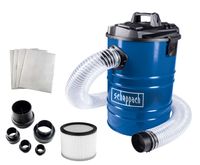
The DC100 is a compact dust extractor that provides an effective solution for home workshops and smaller woodworking setups. Its practical design makes it suitable for users who want to improve cleanliness while making the most of limited workshop space.
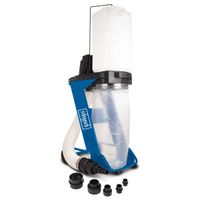
For users who regularly work with larger woodworking machines or generate greater volumes of waste, the DC500 offers increased collection capability to support longer working sessions with fewer interruptions. It is well suited to workshops where efficient dust management plays an important role in maintaining productivity.
The HD2P is designed for workshops requiring dependable dust extraction across a variety of woodworking applications. It provides an effective solution for collecting sawdust and wood waste while helping maintain a cleaner, more organised working environment throughout demanding projects.
Accessories & Maintenance
Regular maintenance helps ensure your dust extractor continues to operate efficiently and delivers dependable performance over time.
Collection bags or containers should be emptied before they become overfilled, as this helps maintain consistent airflow and effective dust collection. Allowing excessive waste to build up can reduce extraction efficiency and increase the time needed for routine cleaning.
Filters should also be checked regularly and cleaned or replaced in accordance with the user manual. Keeping filters in good condition helps maintain airflow while supporting efficient dust collection across a wide range of woodworking applications.
Extraction hoses and connections should be inspected periodically to ensure they remain securely fitted and free from blockages. Removing any accumulated debris helps maintain consistent extraction performance and allows the system to operate more effectively.
To keep your dust extractor performing reliably, Scheppach offers genuine spare parts and replacement components, backed by dedicated UK after-sales support whenever assistance is required.
Frequently Asked Questions
What is a dust extractor used for?
A dust extractor is designed to collect sawdust, wood shavings and other debris produced by woodworking machinery. By removing waste at the source, it helps keep workshops cleaner, improves visibility while working and reduces the amount of cleaning required after completing a project.
Which dust extractor is best for a home workshop?
The right dust extractor depends on the size of your workshop and the machinery you use. Compact models are often suitable for smaller DIY workshops, while larger extractors with increased collection capacity are better suited to users who regularly operate multiple woodworking machines or complete longer projects.
Can a dust extractor be used with different woodworking machines?
Yes. Many dust extractors can be connected to a variety of compatible woodworking machines, including table saws, bandsaws, planers, thicknessers and other workshop equipment. Using effective dust extraction across different machines helps maintain a cleaner and more organised workspace.
Why is dust extraction important?
Dust extraction helps remove sawdust and debris before it spreads throughout the workshop. This improves workshop cleanliness, keeps work surfaces clearer and makes it easier to maintain an organised working environment during and after each project.
How often should a dust extractor be maintained?
Routine maintenance should be carried out regularly. Emptying collection bags, checking filters and inspecting extraction hoses all help maintain efficient performance. Following the maintenance recommendations provided in the user manual will help keep your dust extractor operating reliably over the long term.
Making the Right Choice
Choosing the right dust extractor helps create a cleaner, more organised workshop while improving efficiency throughout your woodworking projects. By considering factors such as workshop size, the machinery you use and the amount of waste produced, you can select a model that best suits your requirements.
Whether you choose the DC100, DC500 or HD2P, Scheppach's dust extractor range is designed to support cleaner working environments with dependable extraction performance. Combined with UK after-sales support and genuine spare parts availability, you can work with confidence knowing ongoing assistance is available whenever it's needed.