

£349.00
£379.00
£439.00
£879.00
£379.00
£439.00
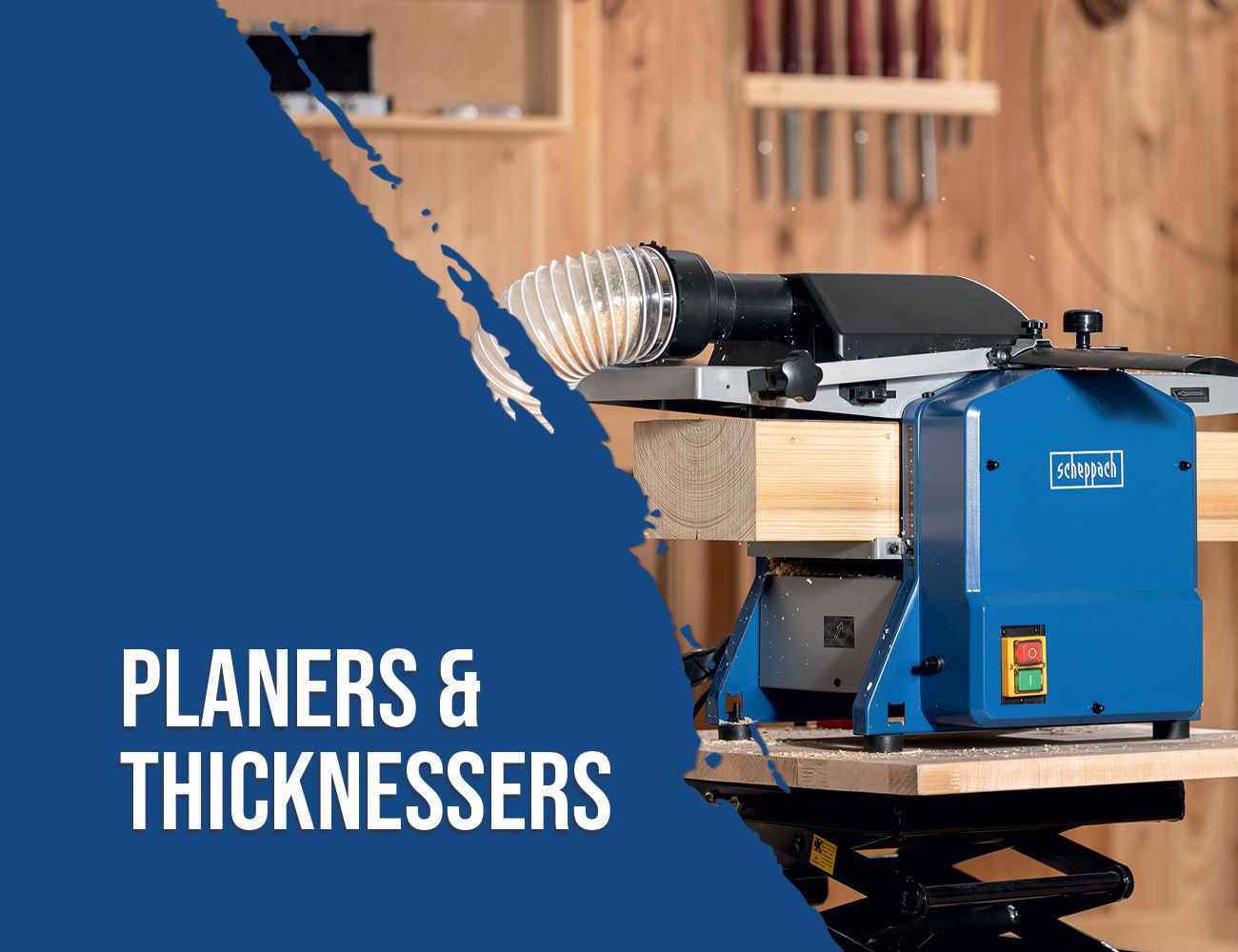
Planers and Thicknessers
Preparing timber to the correct dimensions and achieving smooth, even surfaces are important stages in many woodworking projects. Whether you're producing furniture, building cabinets, preparing boards for joinery or working with rough-sawn timber, planers and thicknessers can make timber preparation faster, more accurate and considerably more consistent than working entirely by hand.
Scheppach's range of planers and thicknessers provides practical solutions for DIY enthusiasts, woodworking hobbyists and professional users who want to prepare timber accurately for their projects. From combined planer thicknessers to dedicated thicknessing machines, the range allows users to flatten, smooth and dimension timber ready for further cutting, assembly or finishing. Developed using German engineering principles, Scheppach machines are designed to provide dependable workshop performance, with genuine spare parts and dedicated UK after-sales support available when needed.
This guide explains the differences between planing and thicknessing, the advantages of using these machines and the key considerations when choosing the right planer or thicknesser for your workshop.
Choosing the Right Planer or Thicknesser
Choosing the right machine starts with considering the timber you regularly work with and the type of preparation your projects require.
A combined planer thicknesser provides two useful woodworking functions in a single machine. Planing allows you to create a flat, smooth reference surface, while thicknessing helps bring timber down to a consistent thickness. This versatility makes a combined machine particularly useful for workshops where space is limited or where users regularly prepare timber from its rough condition through to accurately dimensioned boards.
A dedicated thicknesser is a practical choice when your main requirement is producing boards with a consistent thickness. Once a suitable reference face has been established, timber can be passed through the machine to remove material progressively and produce uniform results across multiple workpieces.
The dimensions of the timber you typically work with should also influence your choice. Larger projects may require greater working capacity, while a more compact machine can provide a practical solution for smaller workshops and everyday woodworking.
Considering your available workshop space, frequency of use and typical workpiece dimensions will help you choose equipment that provides the right balance of versatility, capacity and convenience.
Understanding Planing and Thicknessing
Although the terms are sometimes used interchangeably, planing and thicknessing perform different jobs when preparing timber.
Planing is used to create a flat and even reference surface on a piece of timber. Rough, uneven or slightly distorted boards can be passed across the planer to remove high points and produce a smoother, flatter face. Once one face has been prepared correctly, it provides a reliable reference for subsequent woodworking operations.
Thicknessing focuses on producing a board with a consistent thickness. The timber passes through the machine while material is removed from its upper surface. By making controlled passes, the board can gradually be reduced until the required thickness is achieved.
Using these processes together can transform rough timber into accurately prepared material ready for furniture making, cabinetry, joinery and other woodworking projects.
Combined planer thicknessers offer both functions within one machine, making them particularly versatile additions to workshops where users regularly prepare their own timber.
Working with Rough and Uneven Timber
One of the main advantages of owning a planer or thicknesser is the ability to prepare timber rather than relying solely on boards that have already been machined to their final dimensions.
Rough-sawn timber can contain uneven surfaces, saw marks and variations in thickness that make accurate assembly difficult. Preparing the material before cutting joints or assembling components creates a more consistent starting point for the rest of the project.
Rather than trying to remove a large amount of material in one pass, gradual passes allow timber to be brought closer to the required dimensions in a controlled way. This approach can help achieve a cleaner surface while making it easier to monitor the finished dimensions of the workpiece.
Careful timber preparation is particularly important when several components need to match. Furniture frames, cabinet components, shelves and other repeated parts benefit from boards that have been prepared to consistent dimensions before further machining begins.
Achieving Accurate and Consistent Results
Accuracy when planing and thicknessing begins with checking the timber before it enters the machine. Nails, screws, stones and other foreign objects should be removed before machining, while the condition and grain direction of the timber should also be considered.
Taking controlled passes rather than attempting excessive material removal at once helps produce a more consistent surface. When thicknessing several matching components, using the same machine settings across the workpieces also helps maintain uniform dimensions.
Sharp, correctly maintained planer knives are equally important. Worn or damaged blades can reduce surface quality and make timber preparation less efficient, so regular inspection should form part of routine machine maintenance.
Good dust and chip extraction can also make a significant difference when processing timber. Planing and thicknessing can generate a substantial amount of wood waste, so connecting suitable extraction equipment where appropriate helps maintain a cleaner working area and supports efficient operation.
With the correct machine setup and careful preparation, planers and thicknessers can take much of the repetitive work out of dimensioning timber while helping produce the accurate, consistent material needed for high-quality woodworking projects.
Scheppach Product Range
Scheppach's range of planers and thicknessers provides practical options for preparing timber accurately and efficiently, whether you're working with rough-sawn boards, producing furniture components or preparing material for joinery. With models suited to different workshop requirements, the range allows users to choose between versatile combined planer thicknessers and dedicated thicknessing machines.
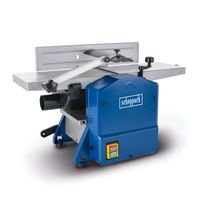
The HMS850 is a practical choice for DIY enthusiasts and home workshops looking for the versatility of planing and thicknessing within one machine. It can be used to create smooth, flat timber surfaces before bringing boards to a consistent thickness, making it well suited to furniture making, general woodworking and timber preparation where workshop space may be limited.
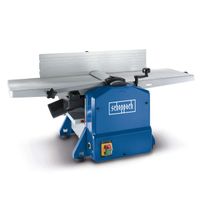
The HMS1070 provides a combined solution for users who regularly need to plane and thickness timber. It is suited to preparing boards for cabinetry, furniture and other woodworking projects where consistent dimensions and smooth surfaces are important. Its combination of functions allows users to carry out multiple stages of timber preparation without requiring separate machines.
For larger projects and more demanding timber preparation, the HMS1500 offers another combined planing and thicknessing option. It is suited to users working with larger workpieces or undertaking more frequent woodworking projects where accurately prepared timber is essential for achieving consistent results.
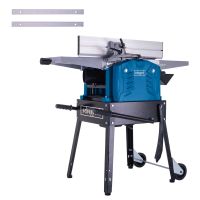
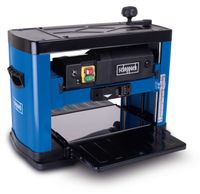
The PLM1800 provides a dedicated solution for thicknessing timber to consistent dimensions. It is particularly useful when preparing multiple boards that need to match, allowing material to be progressively reduced to the required thickness. This makes it a practical option for furniture making, cabinetry, joinery and other projects involving repeated timber components.
From occasional DIY projects to more regular woodworking, Scheppach planers and thicknessers help make accurate timber preparation more efficient. Access to genuine spare parts and UK after-sales support also provides continued assistance when maintenance or replacement components are required.
Accessories & Maintenance
Regular maintenance is important for maintaining accurate planing and thicknessing performance and achieving a consistently high-quality surface finish.
Planer knives should be inspected periodically for wear or damage. Sharp blades help produce cleaner surfaces and more efficient material removal, while worn or damaged knives can affect the quality of the finished timber. Replacement or adjustment should always be carried out according to the instructions for the individual machine.
Wood chips and dust should be removed regularly from the machine, particularly around the cutter area, feed mechanism and extraction points. Planing and thicknessing can generate considerable quantities of waste, so suitable dust and chip extraction can help maintain a cleaner working environment and prevent unnecessary build-up.
Worktables and feed surfaces should also be kept clean to allow timber to move through the machine smoothly. Before each use, check the machine setup and ensure the workpiece is free from nails, screws or other objects that could damage the blades.
Following the maintenance schedule and operating instructions in the user manual will help maintain dependable performance. Scheppach genuine spare parts are available when compatible replacement components are required.
Frequently Asked Questions
What is the difference between a planer and a thicknesser?
A planer is used to create a flat, smooth reference surface on timber, while a thicknesser is used to bring a board to a consistent thickness. A combined planer thicknesser provides both functions within a single machine, allowing users to complete multiple stages of timber preparation.
What is a planer thicknesser used for?
A planer thicknesser is used to prepare timber before further woodworking. It can help flatten uneven surfaces, remove rough areas and produce boards with consistent dimensions, making it useful for furniture making, cabinetry, joinery and general woodworking projects.
Can a thicknesser straighten an uneven board?
A thicknesser is primarily designed to produce consistent thickness rather than establish the initial flat reference face on uneven timber. Preparing a suitable reference surface first helps achieve more accurate results when the board is subsequently passed through the thicknesser.
Why should I make several light passes when thicknessing timber?
Removing material progressively provides greater control over the finished dimensions and can help produce a more consistent surface. Several controlled passes are generally preferable to attempting to remove a large amount of material at once.
How do I maintain a planer or thicknesser?
Routine maintenance includes removing wood chips and dust, keeping work and feed surfaces clean, inspecting planer knives for wear and checking the machine before use. Always follow the maintenance and servicing instructions provided in the user manual for your specific model.
Making the Right Choice
Choosing between a combined planer thicknesser and a dedicated thicknesser depends on how you prepare timber and the equipment already available in your workshop.
If you want one machine capable of creating a flat reference surface and subsequently bringing timber to a consistent thickness, a combined model such as the HMS850, HMS1070 or HMS1500 provides a versatile solution. This can be particularly useful for workshops where available space needs to be used efficiently.
If your main requirement is producing boards with consistent thickness, the PLM1800 provides a dedicated thicknessing solution for preparing timber across a variety of woodworking projects.
Whichever machine best suits your projects, Scheppach planers and thicknessers are designed to make timber preparation more accurate, repeatable and efficient. Genuine spare parts and dedicated UK after-sales support provide additional reassurance throughout ongoing ownership and maintenance.