

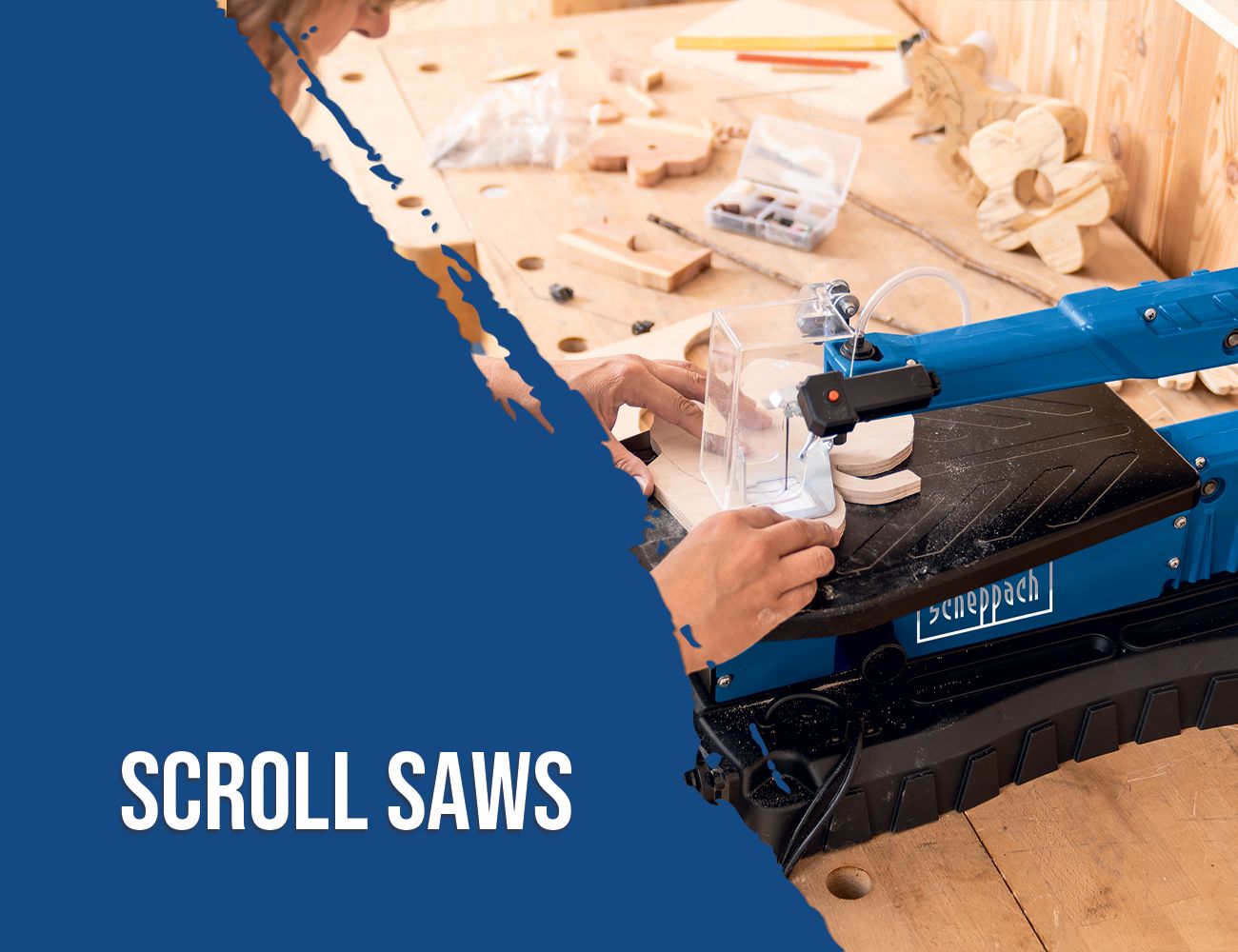
Scroll Saws
When a woodworking project involves intricate curves, detailed shapes or internal cut-outs, a scroll saw provides the control needed for more precise cutting. Unlike saws designed primarily for straight cuts or processing larger workpieces, scroll saws are particularly suited to detailed work where the cutting line may change direction frequently.
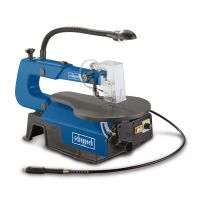
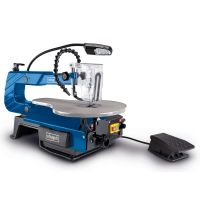
The Scheppach range of scroll saws includes the Deco-Flex, Deco-XLS and SD1600V, providing options for craft projects, model making, decorative woodworking and other detailed cutting applications. Their compact working arrangement makes scroll saws particularly useful for smaller components where accuracy and manoeuvrability are more important than processing large volumes of material.
A scroll saw can be used to follow curved cutting lines and create detailed profiles in suitable materials. Its blade arrangement also makes internal cut-outs possible, providing additional flexibility when producing decorative patterns and components that cannot simply be cut from an outside edge.
Drawing on Scheppach's German engineering heritage, the range is designed to provide practical cutting solutions for detailed projects. Genuine spare parts and UK after-sales support are also available, helping users keep their equipment maintained for continued use.
This guide explains what to consider when choosing a scroll saw, how the machine works and how to approach curved, intricate and internal cutting applications.
Choosing the Right Scroll Saw
Choosing the right scroll saw depends on the dimensions and thickness of your typical workpieces, the complexity of the projects you undertake and the cutting capabilities required.
Workpiece dimensions are an important starting point. Scroll saws are primarily associated with detailed cutting rather than processing substantial sections of timber, so consider the size and thickness of the materials you regularly expect to use.
The complexity of your projects should also influence your decision. Decorative woodworking, model making and other craft applications can involve different levels of detail, so consider the types of profiles and patterns you intend to produce when comparing machines.
Blade compatibility is another important consideration. Different projects may require different blade characteristics according to the material, workpiece thickness and complexity of the required cut. Check which compatible blades are available for the individual machine and whether they suit your typical applications.
The individual cutting capacity, adjustment options and included features of the machine should also be compared with your usual project requirements. Considering these factors together can help identify a scroll saw suited to the type of detailed work you intend to undertake.
Understanding How a Scroll Saw Works
A scroll saw uses a narrow blade that moves rapidly up and down through the workpiece. Rather than moving the saw itself through the material, the user guides the workpiece across the machine's table and around the blade.
This arrangement provides a high level of manoeuvrability when following curved or irregular cutting lines. The workpiece can be gradually turned as the cut progresses, allowing detailed shapes and profiles to be produced with greater control.
The narrow blade is one of the characteristics that distinguishes a scroll saw from larger woodworking saws. Its design allows the machine to negotiate tighter curves and more intricate patterns than machines intended primarily for larger or straighter cutting applications.
Successful scroll sawing relies on controlled workpiece movement rather than forcing the material through the blade. Following the marked cutting line steadily can help maintain accuracy, particularly when a design contains several changes in direction.
Curved Cutting and Intricate Shapes
One of the main advantages of a scroll saw is its ability to produce curved and intricate cuts.
Before beginning, the required pattern or cutting line can be marked clearly on the workpiece. The material is then guided around the blade, following the design progressively rather than attempting to complete tight changes of direction too quickly.
This makes scroll saws particularly useful for decorative shapes, wooden signs, models, craft pieces and other projects involving detailed profiles. Repeated patterns can also be produced where several similar components are required.
For tighter curves, the blade and workpiece need to be matched appropriately to the required level of detail. Attempting a curve that is too tight for the blade can make it more difficult to follow the intended line accurately.
Larger curves and external profiles can generally be approached gradually, allowing the workpiece to change direction smoothly as the cut progresses. More intricate designs may require additional planning to determine the most practical cutting sequence.
The objective is not simply to cut quickly, but to maintain control as the material moves around the blade. This emphasis on precision and manoeuvrability is what makes a scroll saw particularly effective for detailed woodworking.
Creating Internal Cut-Outs
Scroll saws are particularly useful when a project requires an internal shape to be removed without cutting through the outside edge of the workpiece.
For suitable designs, an opening can first be prepared within the section that needs to be removed. The scroll saw blade can then be positioned through this opening and correctly refitted before the internal cutting line is followed.
This technique makes it possible to create enclosed shapes and decorative patterns within a workpiece while leaving the surrounding material intact. It can be especially useful for decorative panels, lettering, ornaments, signs and other craft projects.
Projects involving several internal sections may require the blade to be repositioned multiple times. Planning the order of the cuts before beginning can therefore make detailed designs easier to manage.
Combining internal cut-outs with external profiles and curved cutting provides considerable flexibility when producing detailed decorative components and other intricate woodworking projects.
Achieving Accurate and Controlled Results
Accurate scroll saw cutting depends on careful preparation, appropriate machine setup and controlled movement of the workpiece.
Begin with a clearly marked cutting line or pattern. Good visibility of the design makes it easier to anticipate curves and changes in direction rather than reacting to them once the blade has already reached the area.
During cutting, guide the workpiece steadily and allow the blade to perform the cutting action. Excessive pressure can make it more difficult to follow detailed lines accurately, particularly around tighter curves.
For complex designs, approaching the work progressively can provide greater control than trying to move continuously through several difficult sections. Planning the cutting sequence in advance can also help determine how the workpiece will need to be positioned as the design develops.
Where necessary, reposition the workpiece carefully to maintain a practical cutting angle. Maintaining controlled movement throughout the process can make it easier to follow the marked line and negotiate changes in direction.
Taking time to prepare the design and guide the workpiece consistently can help produce more accurate results across curved profiles, intricate shapes and detailed cutting applications.
Scheppach Product Range
Scheppach's scroll saw range includes the Deco-Flex, Deco-XLS and SD1600V, providing options for detailed woodworking, craft and model-making projects.
The Deco-Flex provides an option for users undertaking detailed woodworking and craft projects involving curved profiles, decorative shapes and suitable internal cut-outs.
When considering the Deco-Flex, compare its individual cutting capacity, blade compatibility and included features with the materials and project dimensions you typically work with.
The Deco-XLS provides another option for detailed and intricate cutting applications.
Its individual specifications should be considered alongside the complexity of your projects, typical workpiece dimensions and the types of compatible blades required for your materials.
The SD1600V provides a further option for precision cutting applications involving smaller workpieces and detailed profiles.
Compare its cutting capabilities, blade compatibility and individual features with the Deco-Flex and Deco-XLS to determine which machine is best suited to your requirements.
When comparing the Deco-Flex, Deco-XLS and SD1600V, consider the specifications of each individual machine alongside your typical materials, workpiece dimensions and project requirements.
Accessories & Maintenance
Blade selection and regular maintenance are important for maintaining accurate cutting performance and keeping a scroll saw ready for detailed work.
Different compatible blades may be suited to different materials, workpiece thicknesses and levels of cutting detail. Blade selection should therefore be matched to the individual project while ensuring compatibility with the machine.
Before use, inspect the blade for signs of wear or damage and check that it is installed and tensioned correctly according to the instructions for the individual scroll saw. A worn, damaged or incorrectly fitted blade can make it more difficult to follow intricate cutting lines consistently.
The worktable and surrounding cutting area should also be kept clean. Removing accumulated sawdust helps maintain visibility of the cutting line and prevents debris from building up around working components.
Where the machine provides adjustable features, these should be checked periodically and kept free from excessive dust and debris. Any adjustments should be made according to the instructions provided for the individual scroll saw.
Suitable dust management should be used where appropriate to help keep the cutting area clear during woodworking applications.
When changing a blade, cleaning around working components or carrying out maintenance, disconnect the machine from its power source first and follow the procedures outlined in the user manual.
Genuine Scheppach spare parts and compatible replacement components should be used where required.
Frequently Asked Questions
What is a scroll saw used for?
A scroll saw is primarily used for detailed cutting in suitable materials. Its narrow blade makes it particularly useful for creating curves, intricate profiles, decorative shapes and internal cut-outs in woodworking, craft and model-making projects.
What is the difference between a scroll saw and a band saw?
A scroll saw is generally suited to smaller workpieces and more intricate cutting, including detailed curves and internal cut-outs. A band saw uses a continuous blade and is typically more suitable for broader woodworking applications, including straight cuts, curves and processing larger workpieces.
Can a scroll saw make internal cuts?
Yes. One of the key advantages of a scroll saw is its ability to create suitable internal cut-outs without cutting through the outside edge of the workpiece. The blade can be positioned through a prepared opening within the area to be removed before being correctly refitted for cutting.
How do I choose a scroll saw blade?
Blade choice depends on factors including the material, workpiece thickness and complexity of the required cut. Finer blades can be useful for intricate work, while other blade types may be better suited to different materials or less detailed cutting. Always check compatibility with the individual machine.
How do I maintain a scroll saw?
Keep the worktable and cutting area clean, regularly inspect the blade and check that it is installed and tensioned correctly. Adjustable and moving components should also be kept free from excessive debris, with maintenance carried out according to the instructions for the individual machine.
Making the Right Choice
Choosing a scroll saw starts with considering the dimensions and thickness of your typical workpieces, the complexity of the designs you intend to produce and the blade options required for your materials and cutting applications.
Scheppach's Deco-Flex, Deco-XLS and SD1600V provide options for detailed woodworking, craft and model-making projects. Comparing the specifications and capabilities of each machine against your typical workpieces and applications can help determine which model is most appropriate.
Careful setup, suitable blade selection and regular maintenance can help maintain accurate and controlled cutting performance over time. Genuine Scheppach spare parts and UK-based after-sales support are also available when required.