

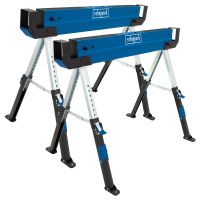
109,00 £
119,00 £
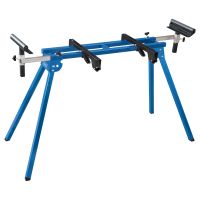
59,00 £
69,00 £
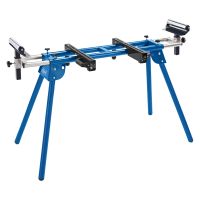
69,00 £
79,00 £
89,00 £
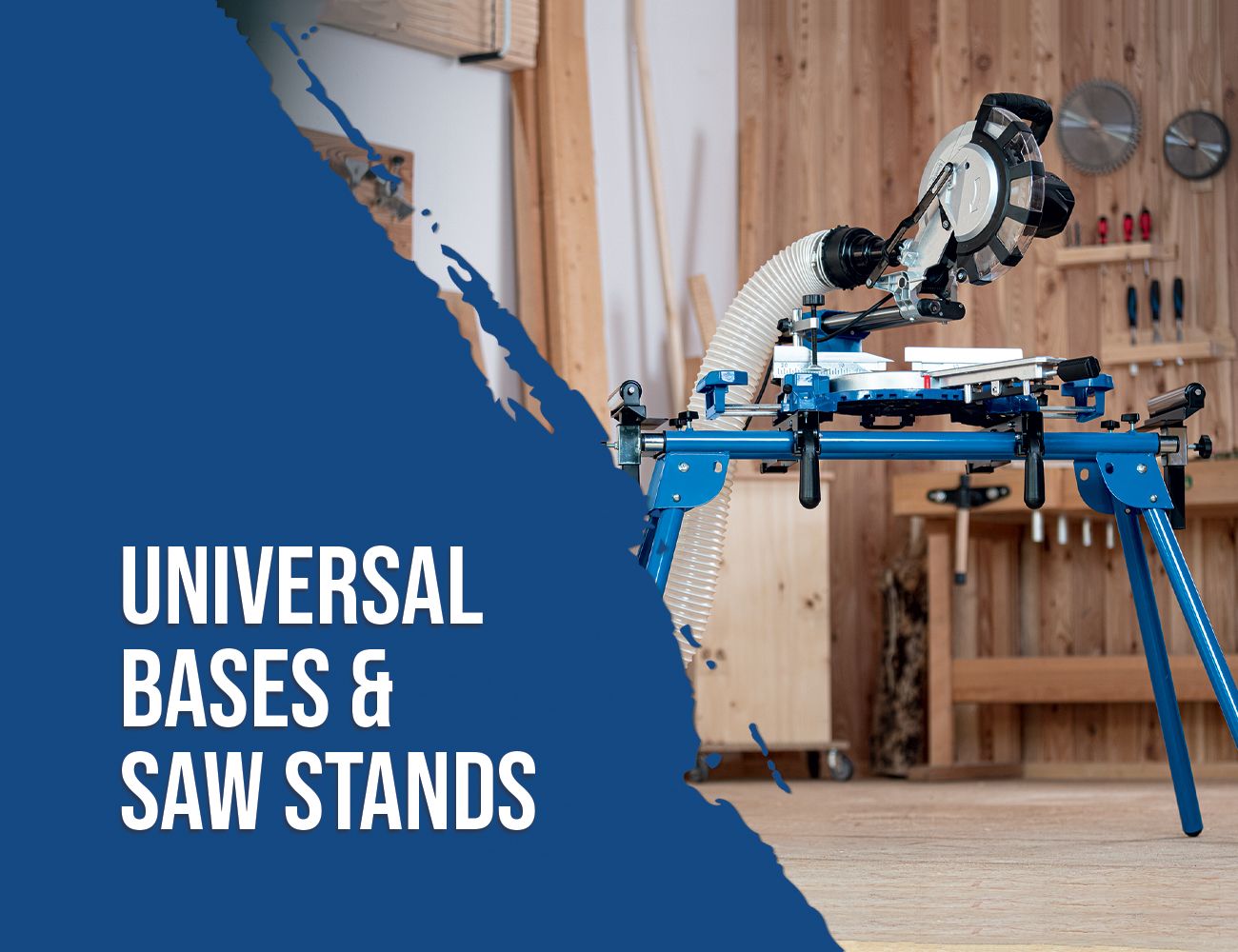
Universal Bases & Saw Stands
A stable and practical working setup can make a significant difference when using saws and other compatible equipment. Universal bases and saw stands provide a dedicated support platform, helping position machinery at a practical working height while creating a more organised setup for cutting and other projects.
Scheppach's range of universal bases and saw stands includes the MWB600, UMF1550, UMF1600 and UMF2000, providing different support options for DIY, woodworking, renovation and construction applications. Depending on the individual model and compatible equipment, these stands and bases can help create a dedicated working station in the workshop, garage or on site.
Suitable support can be particularly useful when equipment is used regularly or projects involve longer workpieces that require additional consideration during positioning and handling. A dedicated base or stand can also reduce the need to find a suitable temporary surface whenever compatible machinery is required.
Drawing on Scheppach's German engineering heritage, the range is designed to provide practical support for a variety of projects. Genuine spare parts and UK after-sales assistance are also available, helping users maintain their equipment throughout its working life.
This guide explains what to consider when choosing a universal base or saw stand, the benefits of a dedicated support system and how to create a practical working setup for compatible machinery.
Choosing the Right Universal Base or Saw Stand
Choosing the right universal base or saw stand begins with considering the equipment you intend to support, the dimensions of your typical workpieces, your available working space and how the setup will be used.
Compatibility should be one of the first considerations. A universal design can provide flexibility across suitable machinery, but this does not necessarily mean that every machine will be compatible with every stand. Check the mounting requirements and product information for both pieces of equipment before selecting a particular model.
Workpiece dimensions should also be considered. If projects regularly involve longer timber or other extended materials, the support requirements of the complete setup may differ from those needed when working primarily with smaller components.
Available working space is another important factor. A stand or base requires sufficient room to be positioned securely while leaving suitable clearance for the machine, workpiece and task being completed.
Consider how frequently the equipment will need to be moved or stored as well. If the working area is used for different purposes or the equipment needs to be repositioned between projects, the setup and storage requirements of the individual stand may influence which option is most practical.
Comparing these factors with the specifications and compatibility requirements of individual models can help identify a support solution suited to your machinery and typical projects.
Why use a Saw Stand?
A dedicated saw stand can provide a more practical working arrangement for compatible cutting equipment, particularly where the machine is used regularly.
One of the main benefits is working height. Positioning compatible machinery on a suitable stand can provide a more accessible setup for measuring, positioning and handling material than placing the equipment on the floor or another unsuitable surface.
A dedicated stand can also establish a consistent position for the machine. Rather than finding an appropriate bench or temporary support whenever the saw is required, compatible equipment can be mounted onto a support system intended to provide a dedicated working base.
This can be useful in workshops, garages and other project areas where creating an organised setup makes equipment easier to prepare and use.
A suitable saw stand supports the overall practicality of the working arrangement rather than changing the cutting performance of the saw itself. The machine, stand and workpiece support should therefore be considered together when planning the complete setup.
Supporting Longer Workpieces
Longer workpieces can present additional handling challenges because only part of the material may be supported directly by the saw or machine.
If an unsupported section of timber drops or moves, maintaining consistent positioning can become more difficult. Providing suitable support along the workpiece can help create a more stable arrangement and keep the material appropriately positioned relative to the machine.
This can be particularly useful when preparing multiple components from longer lengths of timber. Framing, renovation, flooring and general woodworking projects can involve repeated cutting of extended materials, making appropriate support valuable when establishing the working setup.
Workpiece supports should be positioned according to the material being handled and the requirements of the individual machine and stand. The objective is to support the material appropriately without interfering with its correct positioning during the task.
The amount and type of support required will depend on the dimensions and weight of the workpiece. The complete arrangement should therefore be checked before beginning rather than relying on the machine or stand alone to support longer material.
Creating a Practical Working Setup
A practical working setup involves more than simply mounting a machine onto a stand. The position of the equipment, surrounding space and arrangement of the workpiece can all affect how effectively the setup can be used.
Begin by choosing a suitable working area with a stable surface and sufficient room for the stand, machine and material. Longer workpieces may require additional clearance around the cutting area, so their full dimensions should be considered before positioning the equipment.
Any compatible machine mounted to the stand should be secured correctly according to the instructions for both pieces of equipment. Check the mounting arrangement and stability of the complete setup before beginning work.
Where additional workpiece supports are used, position them appropriately for the material being handled. They should provide the necessary support without interfering with the correct positioning of the workpiece or operation of the machine.
The surrounding area should also provide enough space for material to be handled without unnecessary obstruction. Planning the arrangement before beginning a series of tasks can make repeated measuring, positioning and handling easier to manage.
Scheppach Product Range
Scheppach's range of universal bases and saw stands includes the MWB600, UMF1550, UMF1600 and UMF2000, providing support options for compatible machinery and different project requirements.
The MWB600 provides a universal base option for suitable machinery, helping create a dedicated working position for compatible equipment. It can be considered by users looking to establish a more organised setup in a workshop, garage or other project area rather than relying on temporary working surfaces.
When considering the MWB600, check the mounting requirements, dimensions and compatibility of the equipment you intend to use with the base.
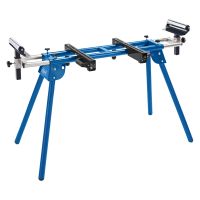
The UMF1550 provides a saw stand option for compatible cutting equipment. It can be considered where a dedicated support system would benefit the user's working arrangement, particularly when machinery is used regularly or projects involve longer workpieces.
Its specifications and mounting compatibility should be compared with the individual saw and typical material dimensions before use.
The UMF1600 provides another universal saw stand option for compatible equipment across woodworking, DIY and other cutting projects.
When comparing the UMF1600 with other stands in the range, consider its individual dimensions, mounting compatibility, workpiece support capabilities and setup requirements against the machinery and materials you regularly use.
The UMF2000 provides a further support option for compatible saws and different project requirements. It can be considered where a dedicated stand is required for machinery used across woodworking, renovation or construction applications.
As with the other models, machine compatibility, stand dimensions, workpiece requirements and available working space should be considered when determining whether the UMF2000 provides the appropriate setup.
When comparing the MWB600, UMF1550, UMF1600 and UMF2000, check the specifications and compatibility of each individual model against your machinery, available workspace and typical workpiece requirements.
Accessories & Maintenance
Regular checks and appropriate maintenance can help keep a universal base or saw stand stable and ready for use.
Before beginning work, inspect the stand or base and check that its components are correctly positioned and secured. Any mounting points used to attach compatible machinery should also be checked to make sure the equipment remains properly secured.
Moving and adjustable components should be kept clean and free from excessive sawdust, dirt and other debris that could interfere with their operation. This is particularly important when the equipment is regularly used in environments where cutting debris can accumulate.
Workpiece supports, mounting components and other adjustable sections should be checked periodically for signs of wear or damage. If adjustment or replacement is required, follow the instructions provided for the individual model.
When a stand is moved, folded or stored between projects, inspect the setup again before the next use rather than assuming previous adjustments remain unchanged.
Genuine Scheppach spare parts should be used when compatible replacement components are required, helping maintain the intended fit and function of the equipment.
Frequently Asked Questions
What is a saw stand used for?
A saw stand provides a dedicated base for compatible saws and can help position the machine at a practical working height. Depending on the individual model, it may also provide additional support for longer workpieces during cutting.
What is the benefit of a universal base?
A universal base can provide a dedicated support platform for suitable machinery, helping create a more organised and practical working station. Compatibility should always be checked before mounting a particular machine.
Can a saw stand help when cutting long timber?
Yes. Suitable workpiece support can help keep longer timber positioned correctly when only part of the material is supported directly by the saw. The appropriate setup will depend on the stand, saw and dimensions of the workpiece.
Are universal saw stands compatible with every mitre saw?
Not necessarily. Although a stand may have a universal mounting design, compatibility can vary between machines. Always check the mounting requirements and product information for both the saw and stand before use.
How do I maintain a saw stand or universal base?
Keep the equipment clean and regularly inspect mounting points, supports, fasteners and adjustable components. Any worn or damaged parts should be addressed before use, following the maintenance instructions supplied with the individual model.
Making the Right Choice
Choosing a universal base or saw stand starts with considering the equipment you intend to support, the dimensions of your typical workpieces, your available working space and whether the setup needs to be moved or stored between projects.
Scheppach's MWB600, UMF1550, UMF1600 and UMF2000 provide different support options for compatible machinery and project requirements. Comparing the specifications and compatibility of each model against your equipment and working setup can help determine which option is most appropriate.
Correct machine mounting, suitable workpiece support and regular equipment checks can help maintain a stable and practical setup over time. Genuine Scheppach spare parts and UK-based after-sales support are also available when required.