

169,00 £
189,00 £
299,00 £
349,00 £
299,00 £
79,00 £
99,00 £
139,00 £
159,00 £
349,00 £
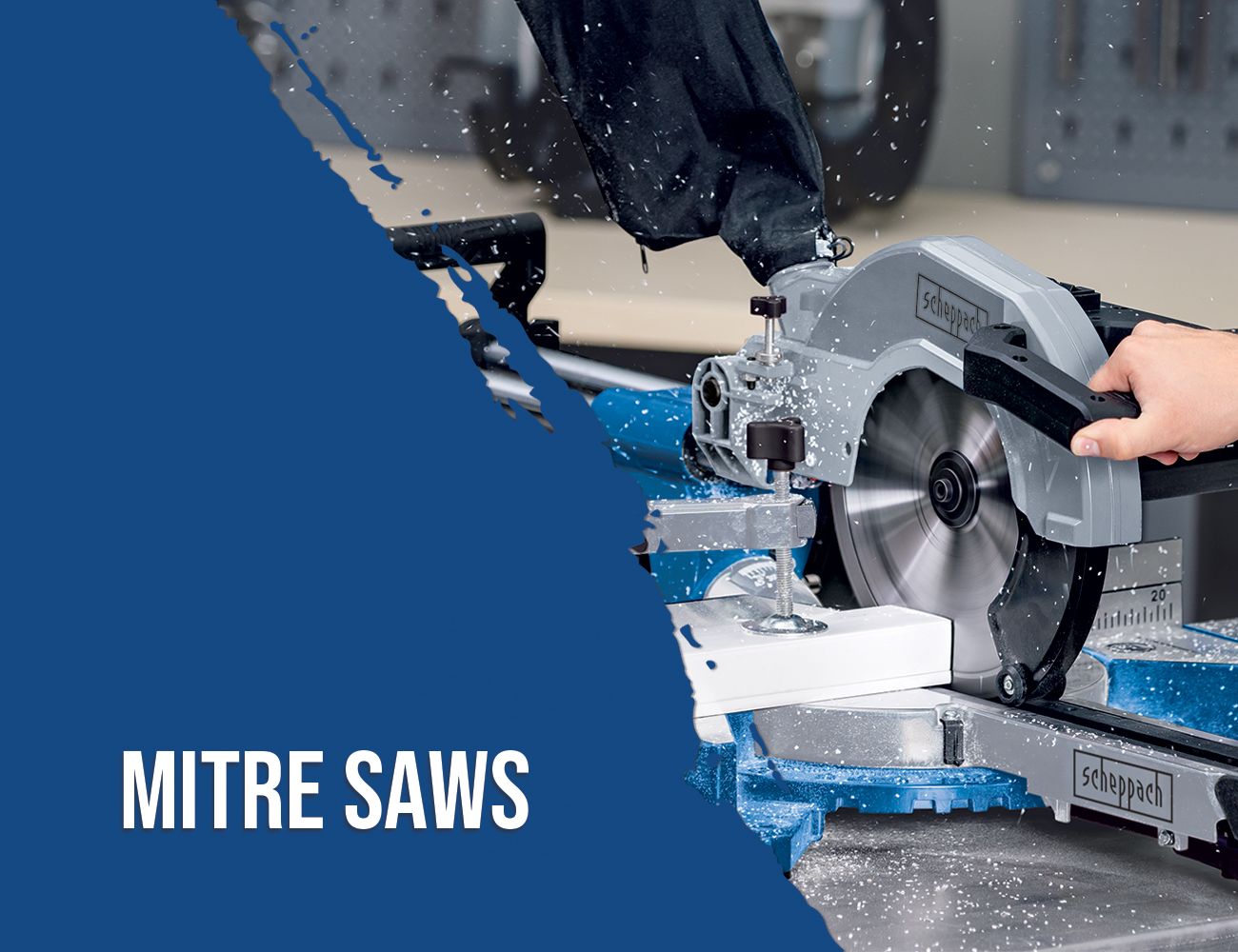
Mitre Saws
From cutting timber accurately to length to producing angled components for framing and other projects, a mitre saw provides a controlled and efficient way to make precise cuts. Its supported cutting arrangement allows the workpiece to remain positioned while the saw blade is brought through the material, making mitre saws particularly useful when accuracy and repeatability are important.
Scheppach's range of mitre saws includes the HM140L, HM210L, HM216, HM254 and HM305SL, providing options for DIY enthusiasts, home improvers and users undertaking more demanding woodworking and construction projects. Whether preparing timber for furniture, flooring, framing or general home improvement, a mitre saw can make repeated cutting considerably easier to manage.
Drawing on Scheppach's German engineering heritage, the range combines practical design with dependable cutting performance across a variety of applications. Genuine spare parts and UK after-sales support are also available, providing continued assistance with maintenance and long-term machine ownership.
This guide explains what to consider when choosing a mitre saw, the different types of cuts these machines can perform and how to achieve accurate and repeatable results across different projects.
Choosing the Right Mitre Saw
Choosing the right mitre saw depends on the dimensions of the material you regularly work with, the cutting capacity required, the types of adjustments your projects involve and the space available in your working area.
Workpiece dimensions are an important starting point. Smaller timber components place different demands on a machine from wider boards or larger workpieces, so compare the cutting capacity of individual models against the material you typically expect to process.
Sliding mitre saws provide additional flexibility by allowing the cutting head to travel across the workpiece rather than following only a fixed downward cutting path. This can provide greater cross-cutting capacity and may be particularly useful when wider material forms a regular part of your projects.
The types of angles you need to produce should also influence your decision. Mitre and bevel adjustment can provide additional versatility for projects involving frames, trim and other components that need to meet accurately at an angle. Consider which adjustments are available on the individual machine and whether they match your typical applications.
Available workspace and frequency of use are further considerations. Think about where the machine will be positioned, how longer workpieces will be accommodated and whether the saw will form part of a permanent setup or need to be stored between projects.
Understanding Mitre Saw Cuts
A mitre saw can perform several types of cut, each suited to different woodworking, DIY and construction applications.
A cross-cut is made across the workpiece and is commonly used to cut timber accurately to length. This is one of the most frequent uses for a mitre saw and can be particularly valuable when several components need to be prepared to matching dimensions.
A mitre cut changes the horizontal cutting angle, allowing components to be cut diagonally rather than square across the material. This type of cut is useful for frames, trim and other projects where two pieces need to meet at an angle.
A bevel cut angles the blade relative to the face of the workpiece. Depending on the capabilities of the individual machine, this can be used for applications where an angled edge is required.
A compound cut combines mitre and bevel angles within the same cut. These cuts can be useful for more complex woodworking and fitting applications where components need to meet across multiple angles.
Understanding which of these cuts your projects require can help determine the adjustment and cutting capabilities you should look for when comparing mitre saws.
Working with Different Workpiece Sizes
The dimensions of the material being cut can influence how it should be positioned and supported when using a mitre saw.
Smaller components can usually be positioned against the machine's fence and secured appropriately before cutting. Correct positioning helps keep the material stable and provides a consistent reference point for the cut.
Longer pieces of timber require additional consideration because unsupported material can become more difficult to position consistently. Suitable workpiece supports or a compatible saw stand can help support longer timber and create a more practical working arrangement.
This can be particularly useful when preparing repeated components for flooring, framing and larger woodworking or construction projects where several lengths of material need to be handled.
Before beginning any cut, make sure the workpiece is positioned securely against the appropriate supporting surfaces. Establishing a stable setup can make longer or larger material easier to manage while helping maintain consistent positioning throughout the work.
Achieving Accurate and Repeatable Cuts
One of the main advantages of a mitre saw is its ability to reproduce cuts consistently across several workpieces. Accurate results depend on careful measurement, correct machine setup and consistent positioning of the material.
Begin by marking the required cutting position clearly and checking the machine settings before bringing the blade into contact with the workpiece. When several components need to be produced to matching dimensions, maintaining a consistent reference point can help improve repeatability.
When producing mitre or bevel cuts, check the required angle carefully before cutting. Small inaccuracies can become more noticeable when multiple angled components are assembled together, particularly in frames and other projects where joints need to align closely.
Make sure the workpiece remains correctly positioned against the appropriate supporting surfaces throughout the cut. Longer material should also be supported so that its weight does not affect positioning.
Taking time to check measurements, angles and workpiece positioning before each cut can help produce more consistent results across woodworking, DIY and construction projects.
Scheppach Range
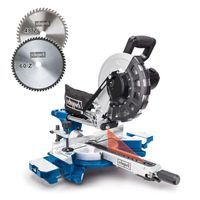
Scheppach's mitre saw range includes the HM140L, HM210L, HM216, HM254 and HM305SL, providing options for different workpiece sizes, cutting requirements and project applications.
The HM140L provides an option for users undertaking DIY, home improvement and woodworking projects where timber components need to be prepared accurately to length or at an angle. It can be considered alongside the other models in the range according to the dimensions of the material being processed and the cutting capabilities required.
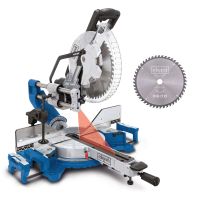
The HM210L provides another option for woodworking, renovation and general timber-cutting projects. When comparing it with other Scheppach mitre saws, consider its individual cutting capacity and adjustment capabilities against the workpieces and applications that feature most frequently in your projects.
The HM216 can be considered by users looking for a mitre saw for a variety of DIY, home improvement and woodworking applications. Its individual specifications should be compared with the other models in the range to determine whether its cutting capacity and features are appropriate for the work being undertaken.
The HM254 provides a further option for users working across a variety of timber-cutting applications. Workpiece dimensions, required cutting capacity and the types of cuts regularly undertaken should all be considered when deciding whether it provides the most suitable setup for your projects.
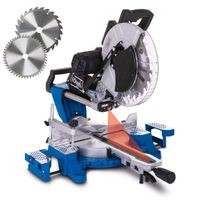
For projects involving larger or wider workpieces, the HM305SL provides an option for more substantial cutting requirements. Its sliding cutting arrangement allows the cutting head to travel across the material, making it particularly useful where greater cross-cutting capacity is required.
When comparing the HM140L, HM210L, HM216, HM254 and HM305SL, consider the specifications and capabilities of each individual machine alongside the material you regularly process. Cutting capacity, adjustment options, machine dimensions and other included features can help determine which model best matches your requirements.
Accessories & Maintenance
Suitable accessories and regular maintenance can help preserve cutting accuracy and keep a mitre saw operating reliably.
The saw blade should be inspected regularly for worn, damaged or missing teeth and replaced when necessary. Selecting a compatible blade for the machine, material and intended application is also important, as blade choice can influence both cutting performance and the quality of the finished edge.
The machine's work surface, fence and adjustable components should be kept clean and free from accumulated sawdust. Build-up around these areas can interfere with accurate positioning, so regular cleaning can help maintain a consistent working setup.
Mitre and bevel adjustments should also be checked periodically, particularly when accurate angled cuts are required. Always follow the adjustment and maintenance procedures provided in the user manual for the individual machine.
Longer workpieces may benefit from additional support. A compatible Scheppach saw stand or suitable workpiece support can help create a stable working arrangement when cutting longer timber.
Dust extraction should be used where appropriate to help manage sawdust around the cutting area. When replacement components are required, genuine Scheppach spare parts can help maintain compatibility with the individual machine.
Frequently Asked Questions
What is a mitre saw used for?
A mitre saw is primarily used for accurate cross-cuts and angled cuts in timber and other materials suitable for the individual machine and blade. It is commonly used for woodworking, framing, flooring, renovation and other projects where components need to be cut accurately to length or at specific angles.
What is the difference between a mitre cut and a bevel cut?
A mitre cut is produced by changing the horizontal cutting angle across the workpiece. A bevel cut angles the blade relative to the face of the material. When both adjustments are used together, the resulting cut is commonly referred to as a compound cut.
What is the advantage of a sliding mitre saw?
A sliding mitre saw allows the cutting head to travel across the workpiece, increasing the width of material that can be cross-cut compared with a fixed cutting action. This can make sliding models particularly useful when working with wider boards and larger timber components.
Can I use a mitre saw for repeated cuts?
Yes. Mitre saws are particularly useful when several components need to be cut to the same length or angle. Accurate measurement, consistent workpiece positioning and suitable support can help produce repeatable results across multiple pieces.
How do I maintain a mitre saw?
Regular maintenance includes clearing accumulated sawdust, inspecting the blade for wear or damage and keeping the work surface, fence and adjustable components clean. Mitre and bevel settings should also be checked when necessary, following the maintenance and adjustment instructions provided for the individual machine.
Making the Right Choice
Choosing the right mitre saw starts with considering the dimensions of the material you regularly work with, the cutting capacity you require and whether your projects involve cross-cuts, mitre cuts, bevel cuts or a combination of these.
Scheppach's HM140L, HM210L, HM216, HM254 and HM305SL provide options for different project and cutting requirements. Comparing the capabilities of each machine against your typical workpieces and applications can help determine which model is most appropriate.
Whichever mitre saw you choose, careful setup and regular maintenance can help maintain accurate and reliable cutting performance over the long term. Genuine Scheppach spare parts and UK-based after-sales support are also available when required.