

£169.00
£169.00
£129.00
£219.00
£249.00
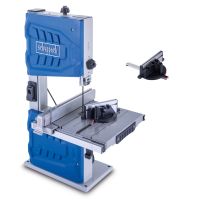
£249.00
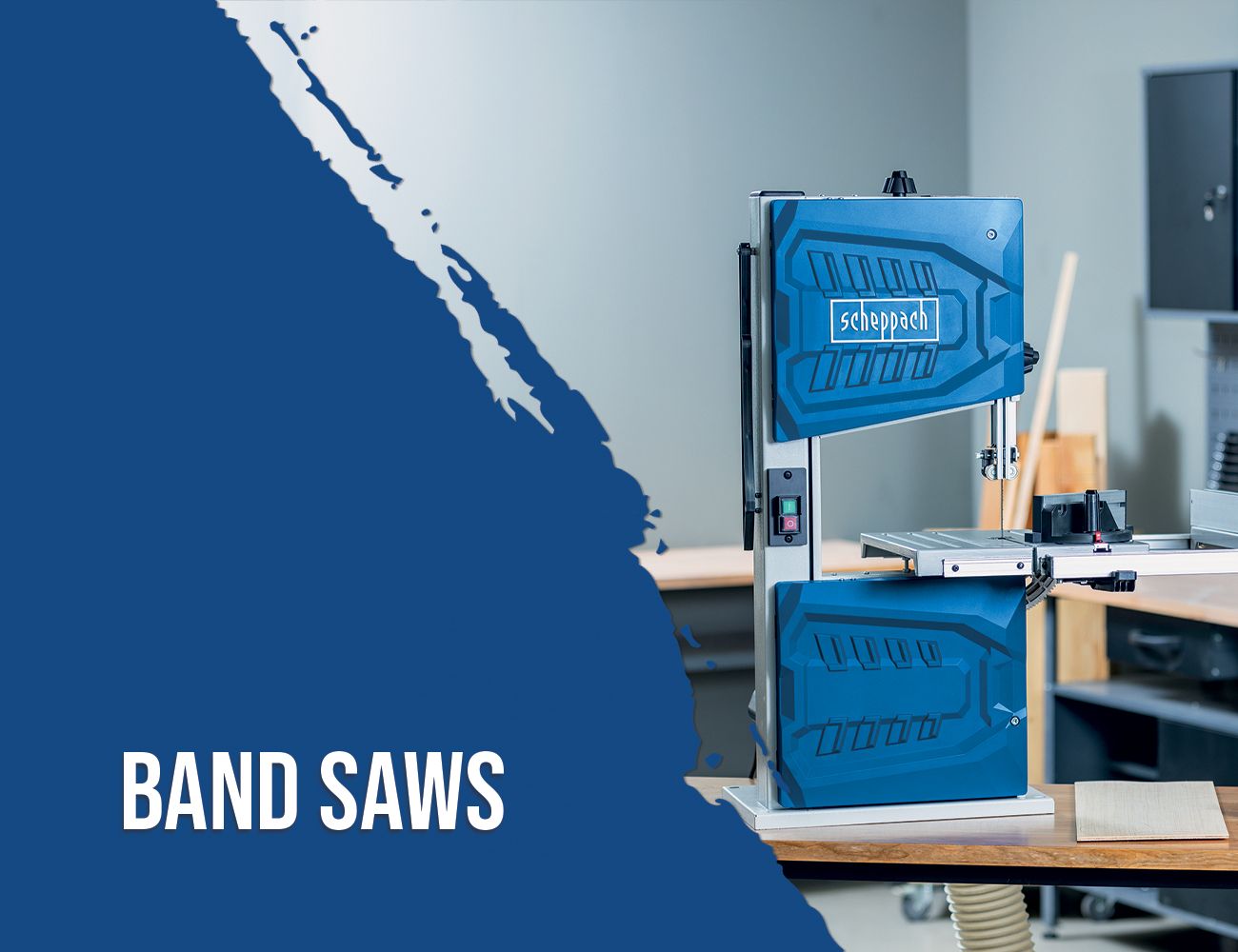
Band Saws
From cutting straight sections of timber to creating curves and shaped components, a band saw is a versatile addition to a woodworking setup. Its continuous blade and supported cutting surface allow the workpiece to be guided through the cut with control, making band saws useful for general timber preparation as well as more detailed woodworking projects.
Scheppach's range of band saws includes the HBS25, HBS261 and HBS30, providing options for DIY enthusiasts, hobby woodworkers and users undertaking a variety of workshop projects. Whether preparing components for furniture, producing curved shapes or completing general woodworking tasks, a band saw provides flexibility across a wide range of cutting applications.
Drawing on Scheppach's German engineering heritage, the range combines practical design with dependable cutting performance for varied woodworking requirements. Genuine spare parts and UK after-sales support are also available, providing continued assistance with maintenance and long-term machine ownership.
This guide explains what to consider when choosing a band saw, how the machine works, the types of cuts it can perform and how to achieve accurate results across different woodworking projects.
Choosing the Right Band Saw
Choosing the right band saw depends on the dimensions of the timber you typically work with, the cutting capacity you require, how frequently the machine will be used and the space available in your working area.
Workpiece size is an important starting point. Smaller timber components place different demands on a machine from larger workpieces, so consider the typical dimensions of the material used across your projects. The cutting capacity of the individual band saw should be suitable for the work you intend to undertake.
Available workspace should also influence your decision. A compact machine can be particularly useful where working and storage space is limited, while users with a more permanent setup may have greater flexibility when considering the overall dimensions of the machine.
Frequency and scale of use are also worth considering. Occasional DIY projects may have different requirements from regular woodworking where a band saw forms an established part of the cutting setup. Thinking about the volume and variety of work you undertake can help determine the type of machine best suited to your needs.
Blade compatibility should also be considered when comparing machines. Different woodworking applications can require different blade characteristics, so check which compatible blades are available for the individual band saw and whether they suit the type of work you intend to undertake.
Understanding How a Band Saw Works
A band saw uses a continuous loop of blade that travels around wheels within the machine. A section of the blade remains exposed above the worktable, creating the cutting area through which the material is guided.
Unlike saws where the cutting action primarily involves moving the blade or machine across the workpiece, a band saw allows the user to manoeuvre the material around the blade. This arrangement provides flexibility when following both straight and shaped cutting lines.
The worktable supports the material during operation and provides a stable surface from which to control the workpiece. Depending on the machine and task, guides and fences can also be used to assist with positioning and repeatable cutting.
The combination of a continuous blade, supported worktable and ability to control the direction of the workpiece gives the band saw its characteristic versatility across different woodworking applications.
Straight, Curved and Shaped Cutting
One of the main advantages of a band saw is its ability to perform different types of cuts using the same machine.
For straight cutting, the workpiece can be guided steadily through the blade, with an appropriate fence or guide used where suitable to help maintain the required cutting line. This can be useful when preparing timber components or carrying out general woodworking tasks.
Band saws become particularly valuable when curves and shaped components are required. Because the workpiece can be manoeuvred around the blade, users can follow marked cutting lines to produce curved profiles that may be difficult to achieve using machines designed primarily around straight cutting.
The radius and complexity of a curved cut depend partly on the blade being used. A suitable blade should therefore be selected according to the material, workpiece and shape being produced. Different cutting requirements may benefit from different blade configurations.
For more detailed shapes, removing material progressively can provide greater control than attempting a particularly complex profile in one movement. Planning the cutting path before starting can also make it easier to manoeuvre the workpiece and achieve the intended finished shape.
Achieving Accurate and Consistent Cuts
Accurate band saw cutting begins with careful preparation, appropriate machine setup and controlled handling of the workpiece.
Before starting, mark the required cutting line clearly and make sure the workpiece is positioned appropriately for the cut. Taking time to plan the cutting path can be particularly useful when following curved or shaped profiles.
When cutting, guide the workpiece steadily rather than forcing it into the blade. Maintaining controlled movement allows the blade to cut effectively and makes it easier to follow the intended cutting line, particularly when producing curves.
For straight work, suitable guides or fences can help maintain consistency. When cutting curves, maintaining a smooth feed and avoiding abrupt changes in direction can help produce a cleaner profile.
Careful preparation and controlled technique can help improve accuracy across straight, curved and shaped woodworking applications.
Scheppach Product Range
Scheppach's band saw range included the HBS25, HBS261 and HBS30, providing a choice of machines for different woodworking, project and workshop requirements.
The HBS25 provides an option for DIY enthusiasts and hobby woodworkers undertaking a variety of timber-cutting projects. Its band saw design provides the flexibility required for general straight cutting as well as curved and shaped work, making it suitable for craft projects, furniture components and other woodworking applications.
The HBS261 provides another option for users looking to incorporate a band saw into a varied woodworking setup. It can be used across straight and shaped timber cutting applications, providing flexibility when preparing components for different types of projects.
The HBS30 completes Scheppach's current band saw range and provides an additional option for woodworking projects involving straight, curved and shaped cutting. It can be considered alongside the HBS25 and HBS261 according to the dimensions of the workpieces being processed, required cutting capacity and overall workshop requirements.
When comparing the HBS25, HBS261 and HBS30, consider the specifications of each individual machine alongside the dimensions of the timber you normally process and your available working space. Cutting capacity, machine dimensions, blade compatibility and included features can help determine which model is best suited to your requirements.
Across the range, Scheppach provides options for users looking to add the versatility of band saw cutting to their woodworking setup. Genuine spare parts and UK-based after-sales support are also available when required, helping support maintenance and long-term machine ownership.
Accessories & Maintenance
Correct blade selection and regular maintenance are important for maintaining cutting performance and achieving accurate results from a band saw.
The band saw blade should be selected according to the material and type of cut required. Different blade configurations can be better suited to straight cutting, curved work or different timber dimensions, so always check compatibility with the individual machine before fitting a replacement blade.
Blades should be inspected regularly for wear, damage or reduced cutting performance. A worn or damaged blade can affect cut quality and make it more difficult to follow the intended cutting line. Blade tension and guidance should also be checked and adjusted according to the instructions provided for the machine.
The worktable and cutting area should be kept clear of accumulated sawdust and debris. Suitable dust extraction should be used where appropriate to help maintain a cleaner working area and improve visibility around the cutting line.
Guides, fences and other adjustable components should also be kept clean and checked periodically. Correct setup can support accurate straight cutting and controlled movement of the workpiece.
Always follow the maintenance and blade-changing procedures provided in the relevant user manual. When replacement components are required, genuine Scheppach spare parts can help maintain compatibility with your band saw.
Frequently Asked Questions
What is a band saw used for?
A band saw is used for straight, curved and shaped cutting in timber and other materials suitable for the individual machine and blade. Its ability to follow curved cutting lines makes it particularly useful for furniture making, craft projects and general woodworking.
What is the advantage of a band saw for woodworking?
One of the main advantages of a band saw is its versatility. Unlike saws designed primarily around straight cutting, a band saw allows the workpiece to be manoeuvred around the blade, making it possible to produce both straight cuts and a variety of curved shapes.
Can a band saw make straight cuts
Yes. Although band saws are particularly useful for curved work, they can also perform straight cuts. Using an appropriate fence or guide where suitable can help maintain a consistent cutting line.
How do I choose the right band saw blade?
The correct blade depends on the material, workpiece and type of cut required. Different blades are suited to different cutting applications, including straight cuts and tighter curves. Always select a blade that is compatible with your specific band saw and intended application.
How do I maintain a band saw?
Regular maintenance includes removing sawdust and debris, inspecting the blade for wear or damage and checking blade tension, guides and adjustable components. Follow the inspection and maintenance instructions provided in the user manual for your specific model.
Making the Right Choice
Choosing the right band saw starts with considering the dimensions of the timber you typically work with, the cutting capacity you require, your available workspace and the type of woodworking projects you undertake most frequently.
Scheppach's HBS25, HBS261 and HBS30 provide options for different project and workshop requirements, allowing users to compare the individual machines according to the scale and demands of their work.
Whichever model you choose, appropriate setup and regular maintenance can help maintain reliable cutting performance over the long term. Genuine Scheppach spare parts and UK-based after-sales support are also available when required, providing continued assistance beyond the initial purchase.